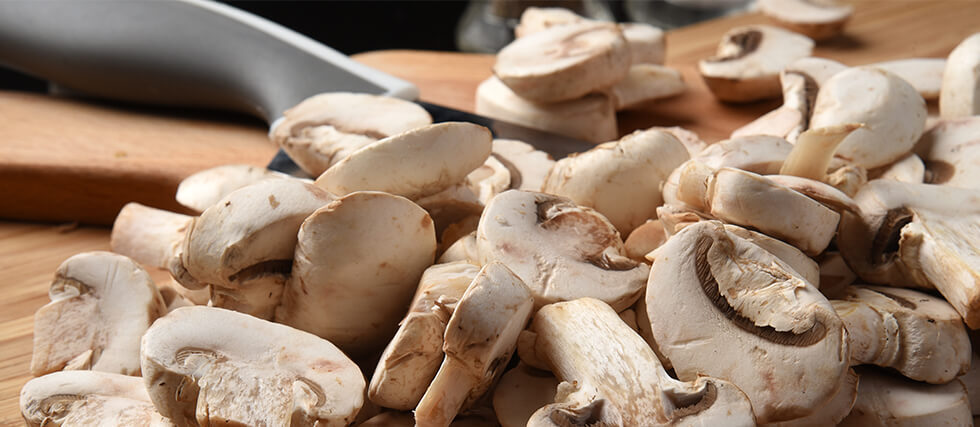

How to Grow Oyster Mushrooms at Home in a 5-Gallon Bucket
Not everyone is thrilled with the idea of eating fungus. However, mushrooms’ nutritional value is second to none, and researchers are learning more each day about their many benefits.
Microgreens are young edible plants harvested just after the first true leaves develop, typically within 7-21 days of germination. They are packed with nutrients and offer intense flavors compared to their mature counterparts.
A common ingredient in herbal tea has been transformed into a powerful biomedical hydrogel, thanks to groundbreaking research from the University of Chicago. The malva nut, traditionally used in Chinese medicine as a sore throat remedy, has now been repurposed for advanced medical applications from wound care to ECG monitoring.
There’s a lot of rumor, speculation, and misinformation surrounding the topic of cooking oils. We rely on them every single day to lubricate our frying pan, bolster our marinades, baste our roasts and dress our salads. And yet, the majority of us know next to nothing about them. Typically, if you happen to strike up a conversation about cooking oils with someone, it’ll conclude with them swearing by one particular oil, which they use in almost all their dishes. Ask them why they swear by this oil, however, and they’ll likely feed you a series of rumors and second-hand information which justifies why that particular oil is better than the rest.
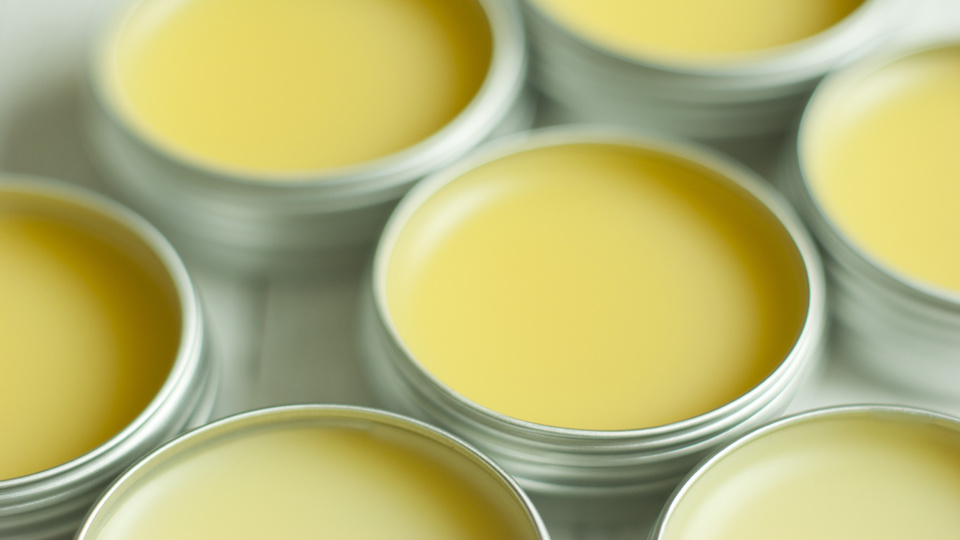
Herbs are beautiful, edible plants that emit enticing aromas. Plus, they are highly beneficial for adding delectable flavor to outstanding cuisine and are highly prized for their therapeutic value. For thousands and thousands of years, herbs have been central in wellness elixirs, tinctures, salves, oils, teas, and more.Â
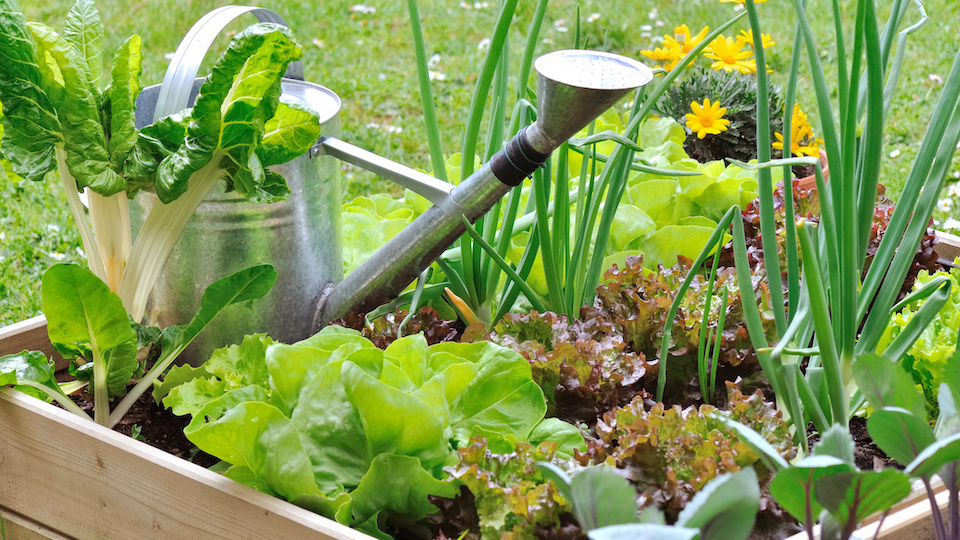
Did you know that cultivating the right combination of plants close to each other can make your garden blossom from mediocre to outstanding? Companion planting is an ancient gardening practice that has been making a comeback for one simple reason… it works. Planting a diverse mixture of plants, including annuals, perennials, flowers, and veggies, makes for a much healthier garden and, often, a tastier harvest. On the flip side, planting the wrong combination of plants can result in an unhealthy garden and a mediocre or even poor harvest.
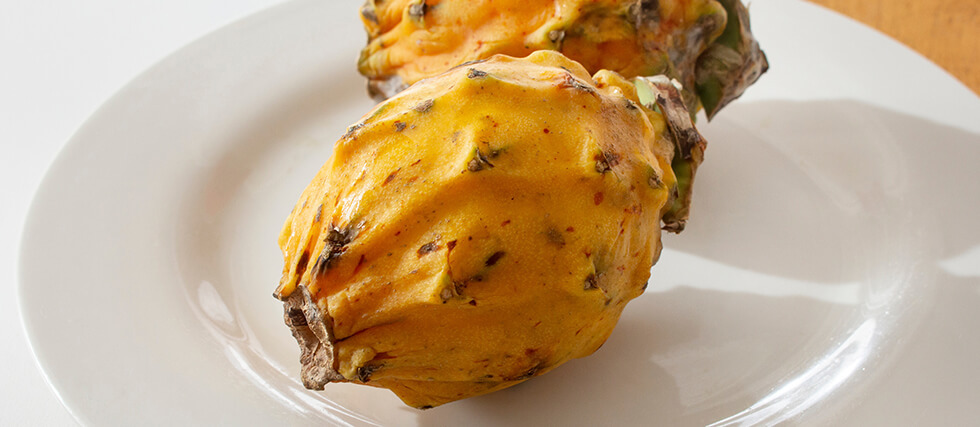
Yellow dragon fruit has gained attention for its ability to support digestion, with many people turning to it as a natural remedy for constipation. But is it truly effective, and how is it traditionally enjoyed?
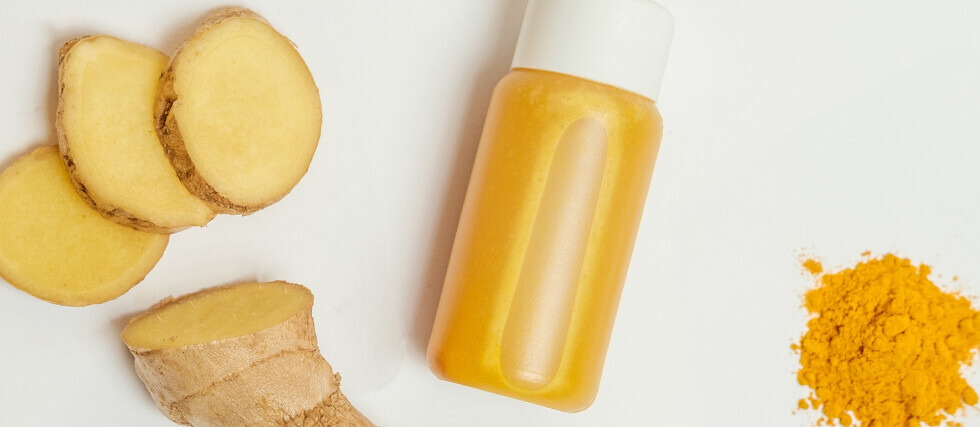
Ginger and turmeric from the Zingiberaceae plant family have been used in traditional medicine for centuries. These potent roots offer powerful anti-inflammatory, antioxidant, and immune-boosting properties, making them an excellent addition to your daily wellness routine. Here are just a few of the studied benefits of this dynamic herbal duo.
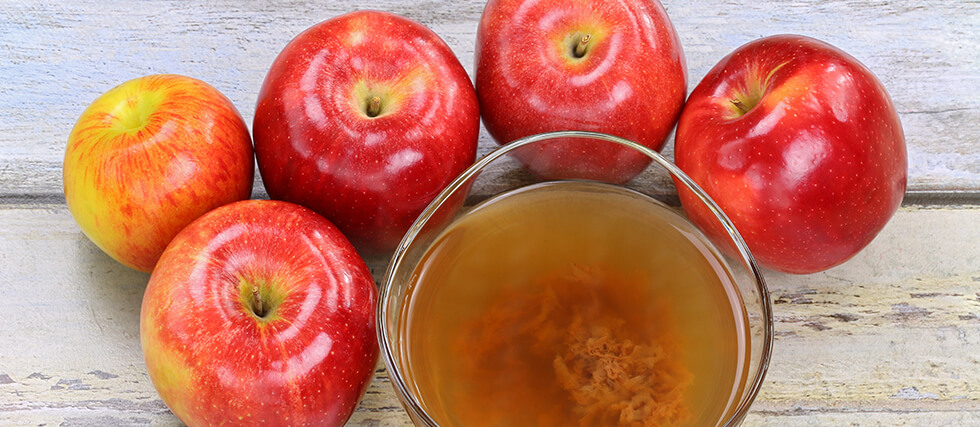
Apple cider vinegar (ACV) has been praised as a miracle elixir for centuries, with claims ranging from improved digestion to weight loss and even disease prevention.
But, are there really any benefits to this fermented tonic?
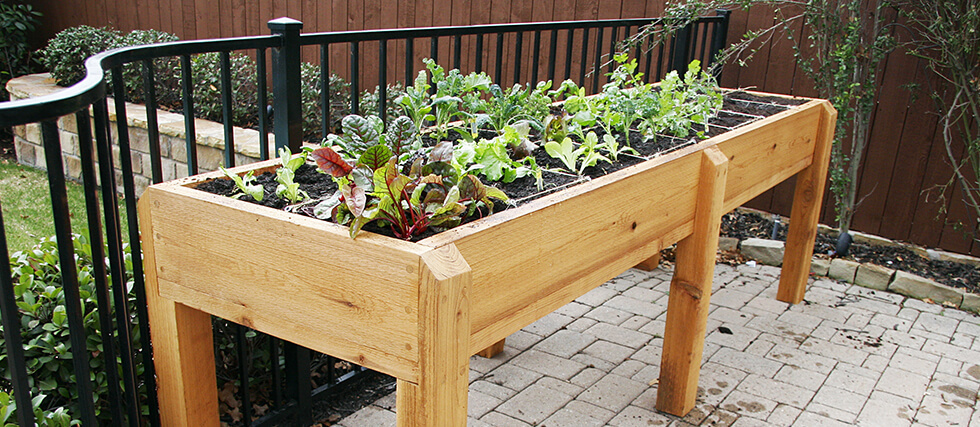
With rising food costs and concerns over sustainability, self-sufficient gardening is gaining momentum. More than just a way to grow your own produce, this method reduces reliance on store-bought food, minimizes waste, and ensures fresh, organic harvests year-round.